Review by Publisher's Weekly Review
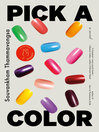
Thammavongsa, author of the Giller-winning story collection How to Pronounce Knife, crafts a stunning portrait of a solitary woman. Ning, a "family of one" at 42, lives in a small apartment above her nail salon, which she opened five years earlier, after she was let go by another salon, ostensibly due to her age but perhaps because things got too complicated with one of the owners, Rachel ("I don't want to grow old with you," Rachel told her after 12 years of working together). Though Ning avoids getting too close to her employees, she enjoys bantering with them, exchanging bawdy and sometimes macabre jokes in their unnamed Tai language about their unsuspecting English-speaking clients ("We ought to take him to the back room.... Cut him up, you know," says one of her employees after a client asks for a happy ending). Ning's reflections on her long-ago stint as an amateur boxer hint at the source of the novel's somber tone, as she remembers putting an opponent in a coma, but Thammavongsa offers no easy answers to the cause of Ning's torment. Instead, she invites the reader to consider the barbed perspective of a woman on the outside looking in. Readers won't easily forget this deeply intelligent narrative. Agent: Sarah Chalfant, Wylie Agency. (Sept.)
(c) Copyright PWxyz, LLC. All rights reserved
Review by Library Journal Review
Nail salon owner Ning (a former boxer) and her staff--Mai, Nok, Annie, and Noi--give readers a behind-the-scenes look at a typical day working with customers, plus an examination of the immigrant experience, in this insightful and witty first novel by award-winning Laotian Canadian poet Thammavongsa, following her short story collection How To Pronounce Knife. Ning and her staff all wear the same "Susan" nametag, believing that their customers can't tell them apart. To pass the time, they converse in their native language and comment on the lives of their customers. While the storyline is generally breezy as customers come and go throughout the day, Thammavongsa also creates a deeper backstory with individual profiles of the Susans, who range from single mothers to divorcées. Adding to the plot is the revelation of a rivalry with another salon, where Ning got her start as a nail tech. VERDICT Thammavongsa's novel beautifully demonstrates her knack for developing strong characterizations. Looking at working women, culture, and relationships, the book portrays a diversity of experience that reminds of the common links of the human condition; it also tells a touching and relatable story.--Shirley Quan
(c) Copyright Library Journals LLC, a wholly owned subsidiary of Media Source, Inc. No redistribution permitted.
Review by Kirkus Book Review
A day in the life of a weary, and wary, nail-salon manager in an unspecified North American city, whose past struggles inform her insights about her staff and clients. At this shop, each nail tech's badge reads Susan--although their real names include Noi, Annie, and Mai. They all wear their straight black hair at shoulder length, and the 41-year-old manager, Ning, wields scissors if necessary to make her employees almost indistinguishable. "Faces give so much away," she says at the beginning. "Feelings, especially." Ning, who during the day is also known as Susan, was once a competitive fighter with a hard-driving coach, Murch. Her lessons about shadowboxing helped her parry endless verbal jabs from her first salon boss, Rachel. Rachel and her brother Raymond extract a great deal of labor and wages from their employees. Ning's current near-monastic existence outside of work--she lives in a tiny one-room apartment over the salon--is indisputably a reaction to that trauma, even as she glosses over her loneliness and trades jokes with her colleagues: "How many does she seat?" Ning deadpans in their shared language about a woman named Vanessa who asks to be called Van, and all the Susans laugh discreetly, accustomed to pretending they're not gossiping about the customers. Ning tells stories about clients who include a pro baseball player, a youthful bridal party, and a brittle businesswoman, but in the style of Rachel Cusk, this narrator's observations tell us even more about her own history, longings, and loneliness. Chapters pass with the rhythm of a broom sweeping the floor, punctuated by the twice-repeated instruction to "pick a color" that greets each person who walks through the door. Suddenly Ning's keen observations make sense, her way of ensuring she doesn't succumb to the numb hypnosis of her repetitive and undercompensated work. This exceptional novel, honed sharp as cuticle nippers, contains great wit and quick turns, up to the last sentence. Copyright (c) Kirkus Reviews, used with permission.
Copyright (c) Kirkus Reviews, used with permission.