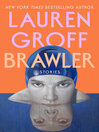
Review by Booklist Review
Thrillingly complex, wickedly strong girls and women populate the worlds of Groff's third story collection and first book since The Vaster Wilds (2023). The fighting girl of the collection's title story, a competitive highschool diver, is ruthless and daring on the board and against her detractors yet unbearably tender at home. In "Such Small Islands," a privileged child, "sickly and taxing" enough to need a round-the-clock babysitter, sees more than anyone is willing to allow. Who will pay the price for overlooking her abilities? In one of the two longest stories, the heroine is not the protagonist but a watched woman with whom readers will wholly sympathize; in the other, a story standing on the pillars of three mother-daughter relationships, a woman looks back decades to when she headed west after college, telling no one, and built something of a life from the ground up. The slow-building "Birdie" introduces a woman on her death bed, surrounded by three best friends from her youth, and a magnificent misunderstanding from the past. In total command of her characters' nuances and the gray space they find themselves in, Groff shares brief, cryptic yet revealing notes about each story at book's end as the cherry on top.
From Booklist, Copyright (c) American Library Association. Used with permission.
Review by Publisher's Weekly Review
Story Prize winner Groff (Florida) delivers a gorgeous collection about families transformed by desperate circumstances. In the spectacular opener, "The Wind," a mother and her three children flee from her abusive husband after her 12-year-old daughter takes a blow meant for her. On the road, with the husband in pursuit, the daughter takes drastic action to save the family. "To Sunland" follows Joanie, a young woman who moves her intellectually disabled older brother into a group home following the death of their mother. In the title entry, teen Sara excels on her school's diving team but has little control over her mother's increasingly dangerous disordered eating. In "What's the Time, Mr. Wolf?" a young man whose family has nurtured his sense of entitlement, whether by giving him a car despite falling short of his expected SAT score or buying his way into a top college, faces the limits of nepotism when his uncle and grandfather fire him from the family banking business because of his heavy drinking and poor performance. Throughout, Groff sketches her characters with scalpel-like precision (Sara's malnourished mother is "a skin bag with chalk in it, far too light to be human"). Each of these heartbreaking tales will linger in the reader's mind. Agent: Bill Clegg, Clegg Agency. (Feb.)
(c) Copyright PWxyz, LLC. All rights reserved
Review by Kirkus Book Review
Nine stories of guile and instinct punch up the human predicament. It's no surprise that a book calledBrawler should provoke, ambush, and, yes, gut-punch its readers. Those familiar with Groff's supple fiction will expect this, combined with startling, pinpoint sentences: "Human decency could still overcome hunger, then." These nine stories follow her earlier collections,Delicate Edible Birds (2009) andFlorida (2018); the stories inFlorida, named after her adopted home state, crackle with the urgency of precarious lives, and won the Story Prize. This latest is more geographically diffuse but still aflame with combustible characters in harrowing corners. The first story, "The Wind," has a prosaic title and a haunting, generational imprint as three small children and their mother use the yellow school bus as cover to try to escape domestic violence. The perpetrator, their father, is a cop; their allies work with their mother at the local hospital. In 18 pages, the title lifts into stunning poignancy and leaves the reader breathless. The final story, "Annunciation," is almost twice as long and, like "The Wind," told in the first person. It begins when its young protagonist's family skips her college graduation and sends instead "a dozen carnations dyed blue and a gift certificate to a clothing store for middle-aged women." This glint of humor serves its purpose in a tale marked by a surprise ending and a capacious eye for the improvisations of young women. The mothers in this book are often absent, drunk, emotionally remote, or ridiculous, but never villains. Instead, Groff attaches her ethical acuity to their children. She appends an author's note, providing a kernel of motive for each of her installments. "Brawler," about an unruly teen diver with a dying mother, exists in the wake of her own history, Groff says: "I became a writer because I was a swimmer." In the coiling dread and frank feminism of her work, this incandescent author makes clear with her newest fiction why she won the 2022 Joyce Carol Oates Prize. This audacious collection surprises readers with the vivid lives few of us notice. Copyright (c) Kirkus Reviews, used with permission.
Copyright (c) Kirkus Reviews, used with permission.