Review by Publisher's Weekly Review
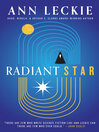
Leckie (Lake of Souls) returns to the setting of her Hugo and Nebula award-winning Imperial Radch series for this striking standalone novel, which travels far from the heart of the Radch empire to the backwater ice planet of Aaa. Aaa doesn't even have its own star. Its single city, Ooioiaa, is dominated by groups arguing about how best to practice the idiosyncratic local religion, and a lone Radch ship supports its uninterested Radchaai governor, Charak Svo. It's also home to one extremely rich man, Serque Tais, who is dying. When one of the religious groups successfully convinces Governor Charak that Serque should become the final living saint seated in the Temporal Location of the Radiant Star, Charak fails to foresee that the transfer of Serque's wealth and power will destabilize Aaa's social order. But she has bigger problems: the Radch has abruptly cut communications and stopped sending ships, and without their cargo, everyone in Ooioiaa will starve. Composed almost entirely of side characters, this perfectly showcases Leckie's tremendous talent for finding small, tender, human stories even in the most expansive of settings. It's an unexpected and delightful turn for the series. Agent: Seth Fishman, Gernert Co. (May)
(c) Copyright PWxyz, LLC. All rights reserved
Review by Library Journal Review
The Imperial Radch is vast, and there were more crises in other parts of the empire while the emperor was at war with themselves during the events of Leckie's Ancillary Justice. This is the story of one such crisis, set on a backwater planet in the midst of its own civil conflict, as Radchaai governor Charak is forced to negotiate with displaced planetary officials and religious hierarchs as they battle among themselves for power under the Radch, while her small battalion is cut off from information, orders, and supplies due to a conflict back home. No governor can negotiate with a collapsed food supply, and Charak's people are starving. She can't create food from nothing, but the political situation is one she can take advantage of, with a little help from a miracle. Leckie's latest showcases the ruthless pragmatism and efficiency the Radch is known for, explores issues of colonialism and colonization from both sides, and tells a cracking good story of political shenanigans and skullduggery in desperate circumstances. VERDICT Highly recommended for readers looking for more of the Radch and for fans of politically charged sci-fi similar to L. E. Modesitt Jr.'s "Grand Illusion" series and Katherine Addison's The Goblin Emperor, especially its "Cemeteries of Amalo" sequels.--Marlene Harris
(c) Copyright Library Journals LLC, a wholly owned subsidiary of Media Source, Inc. No redistribution permitted.
Review by Kirkus Book Review
An isolated, sunless planet faces challenges in another adjunct to the Imperial Radch trilogy. Readers of those books will remember that the battle among various factions of Radchaai ruler Anaander Mianaai destroyed several gates that made it possible to travel across vast distances in space. This novel explores the ramifications of that action on the remote and frozen planet of Aaa, which still chafes under the Radchaai occupiers who annexed it 30 years ago. Aaa's precarious food supply chain is disrupted when information and ships stop showing up. Key imports cease to be available and local food sources begin to run out in an atmosphere of religious and social unrest heightened by a wealthy man's desire to become a saint. Many people consider Serque Tais unworthy of this ascension, which involves several weeks of fasting and drug-induced contemplation and ends with a fatal poison that permanently preserves the body as a sacred relic--and as a focus for fresh offerings to the temple. Tais' decision to leave his property and business to his grandchild Elerit makes his feckless son rather unhappy. Meanwhile, Speaking Savant Keemat, the popular cleric whose vision endorsed Tais' sainthood, clashes with the social-climbing hierarch of their order and begins to wonder if the vision was actually intended for Keemat themselves. Plus, a young man unwillingly sold into servitude on a distant planet instead finds himself pressed into service at home, attending the physically and emotionally injured cousin of the Radchaai governor. A nearly omniscient narrator from several centuries in the future explains how these storylines converge, but never explains the injured cousin's backstory, which seems like it's going to be important but never pans out. What the narrator does do is examine the complex, volatile enmeshment of religious and secular matters (something with obvious contemporary relevance), obligations between parents and children, whether a person can make their own destiny despite societal pressures, the impact of small choices in a wider world, and the ripples of larger choices in an even wider galaxy. A skillfully rendered, thoughtful offshoot of the original story. Copyright (c) Kirkus Reviews, used with permission.
Copyright (c) Kirkus Reviews, used with permission.